Market Research
On ChickPea
This chickpea market report highlights the latest trends for early 2026, including price fluctuations, global production shares, and the strategic advantages of partnering with FitTree International.
Global Chickpea Market Overview (2026)
The global chickpea market is projected to reach approximately $18.02 billion in 2026, growing at a steady CAGR of roughly 7.7%. The market is shifting from a basic commodity to a high-value ingredient due to the surge in plant-based protein demand and gluten-free food innovation
Global Market Share (By Production Volume)
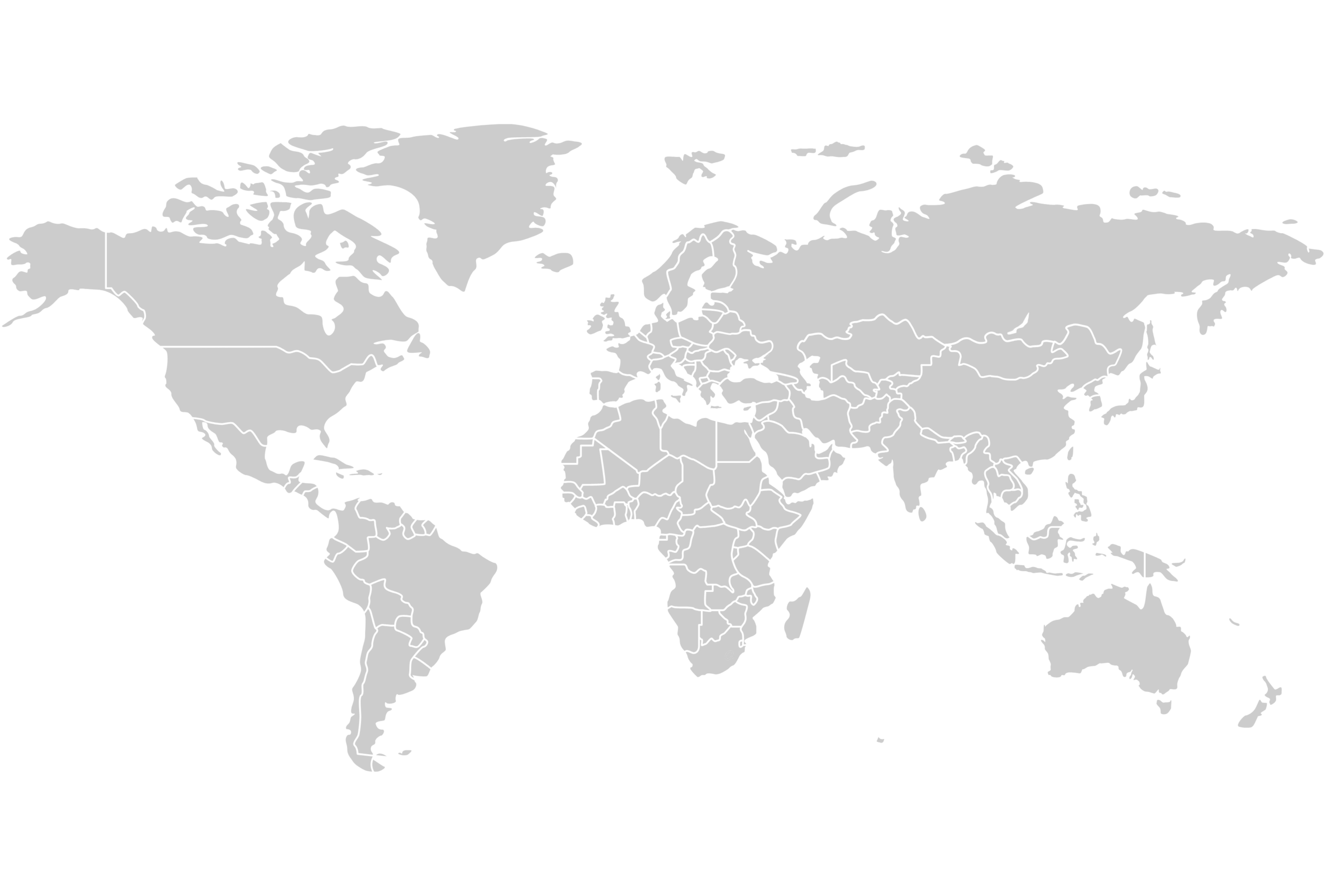
India remains the undisputed leader in chickpea production, contributing the vast majority of the world’s supply.
| Region/Country
|
Production (Metric Tons)
|
Key Variety
|
| India |
~13.5 Million |
Desi & Kabuli
|
| Australia |
~1.1 Million
|
Desi (Export Heavy)
|
| Turkey |
~580,000
|
Premium Kabuli
|
| Russia |
~468,000 |
Large Seeded
|
| Others |
~1.3 Million
|
Myanmar, Ethiopia, Mexico
|
Market Share Distribution
Visual Breakdown:
India:
75%
Australia:
6%
Turkey:
4%
Russia:3%
Rest of World (Myanmar, Ethiopia, Mexico, etc.):
12%
Price Trends: Increases and Decreases
Chickpea prices have shown significant volatility
moving into the first quarter of 2026:
• The Increase (Q1 2026):
Average prices for Kabuli Chana in major Indian markets are currently around 68.25/kg ($820/MT), with premium “Dollar Gram” varieties reaching up to 120/kg. This rise is driven by emerging demand for besan (gram flour) and lower-than-estimated domestic stocks.
• The Decrease (Mid-2025):
Prices saw a temporary dip previously due to high carryover stocks in Australia and stable supply from Russia. However, tightening supplies in early 2026 have reversed this trend.
Critical Market Factors
1. Climate Sensitivity:
El Niño-linked drought cycles remain a risk, historically slashing output in Ethiopia by 65% and India by up to 30%.
2. Trade & Logistics:
Record crops in Australia (forecasted at 1.9M tonnes) are expected to arrive in late 2026, which may provide future price relief.
3. Plant-Based Shift:
Increased adoption of chickpea-based pastas, snacks, and “clean label” ingredients is driving a consistent upward demand
curve.
How FitTree Helps Choose the Perfect Product
Choosing the right chickpea depends on your end-use-whether it’s for canning, milling, or retail. FitTree International acts as a bridge between high-yield farms and global quality standards.
• Customized Sourcing
FitTree provides specific seed sizes (e.g., 12mm for premium Kabuli vs. smaller Desi for milling) based on your manufacturing needs.
• Quality Control:
They ensure strict adherence to purity and color standards, using internal quality systems to prevent common issues like mycotoxin contamination.
• Price Forecasting:
By tracking global production shifts (like the current surges in Russia and Australia), FitTree helps buyers lock in contracts before seasonal price spikes.
• End-to-End Solutions:
From raw chickpeas to processed Besan (Chickpea Flour), FitTree manages the logistics and quality to ensure a consistent supply chain.