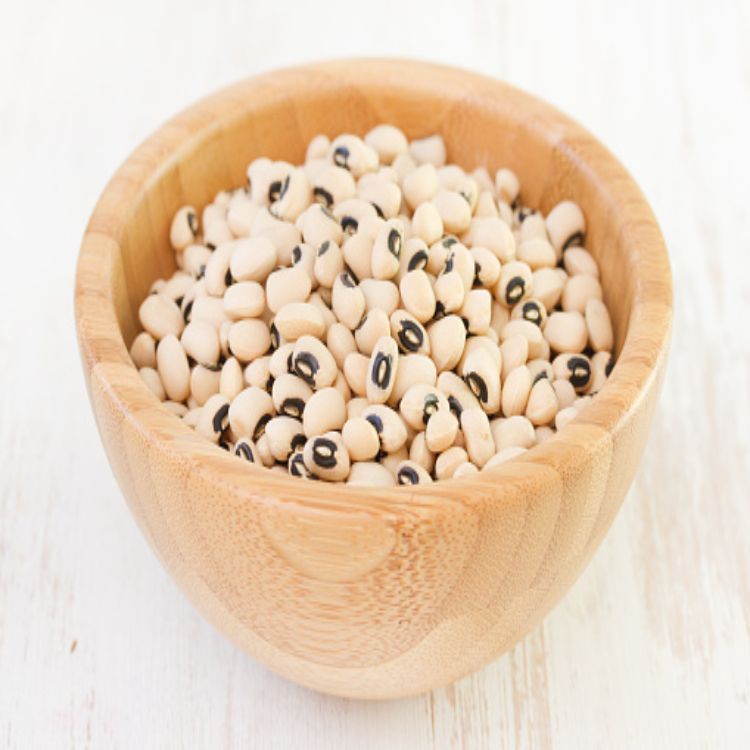
Black Eyed Beans
Product Description
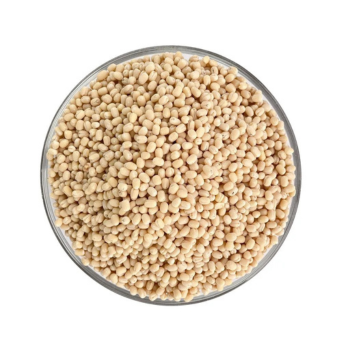
Black Eyed Beans are small, creamy white legumes with a
distinctive black spot or “eye.” They are highly nutritious, versatile in cooking,
and popular in various cuisines worldwide for soups, stews, salads, and side dishes.
Assured
Export
Tested
Natural
Certified
Physical & Chemical Specifications
| Parameter | Specification |
|---|---|
| Appearance | Smooth, kidney-shaped beans with a black "eye" |
| Color | Creamy white with a black spot |
| Size | 6–8 mm |
| Moisture Content | ≤ 14% |
| Purity | ≥ 99% |
| Foreign Matter | ≤ 0.5% |
| Broken Beans | ≤ 2% |
| Damaged/Discolored Beans | ≤ 1% |
| Shelf Life | 12-18 Months |
Chemical Specifications
| Parameter | Specification |
|---|---|
| Protein Content | ≥ 22% |
| Ash Content | ≤ 2.5% |
| Acid Insoluble Ash | ≤ 0.5% |
| Pesticide Residue | Compliant with international standards |
| Aflatoxin Levels | ≤ 10 ppb (As per EU/US norms) |
| Microbial Load | Compliant with food safety standards |
Packaging & Shipping Details
-
Packing:
- Food-grade polybags, jute bags, or PP woven sacks.
- Common sizes: 25kg, 50kg, or customized as per buyer requirements.
- Store in a cool, dry place, away from direct sunlight and moisture.
- 12–18 months under proper storage conditions.
- 20ft Container: Up to 20 MT (Metric Tons)
- 40ft Container: Up to 27 MT (Metric Tons)
Product Description
FitTree’s Premium Black Eyed Beans (botanically known as Vigna unguiculata) are a nutrient-dense superfood, also widely searched as Cowpeas, Lobia, or Black-Eyed Peas. Sourced from high-quality farms, these beans are celebrated for their creamy texture and distinctive "black eye" marking.
At Fittree International, we understand the needs of the modern food industry. These beans are prized for their thin skin and ability to absorb flavors readily. Whether used in the famous American Southern dish "Hoppin' John," traditional Indian curries, or Mediterranean salads, our Black Eyed Beans deliver a consistent, creamy texture and a nutty, earthy taste profile that appeals to a global palate.
Key Features & Health Benefits
- Heart Healthy: Naturally low in sodium and high in potassium, making them ideal for a DASH Diet or Mediterranean Diet.
- Blood Sugar Management: A Low Glycemic Index (GI) food that helps prevent blood sugar spikes—highly searched by the diabetic community.
- Weight Management: The high-fiber content promotes "satiety" (feeling full longer), a top keyword for weight loss diets.
- Cultural Tradition: Highlight them as a "Good Luck Food" for New Year’s Day (Hoppin' John) to capture seasonal traffic spikes in December and January.
Frequently Asked Questions
Common questions about Black Eyed Beans — answered by our export team.
Standard Black Eyed Beans (white with distinctive black eye mark), Bold grade (9 mm+), and Medium grade (7–9 mm). Origin: Rajasthan and Gujarat. Black-eyed pea flour for specialty food manufacturing also available. Cooking quality (uniform softening, minimal splitting) tested per lot.
23–25% protein, 57–60% carbohydrates, 11% dietary fiber, and exceptionally rich in folate (356 µg/100 g — among the highest of all legumes), iron, and potassium. High folate drives demand in pregnancy nutrition products and women's health supplements.
MOQ is 1 MT. A 20 ft container holds 22–24 MT. Packaging in 25 kg and 50 kg PP bags. Private label retail packs (500 g, 1 kg, 2 kg bags) available above 500 kg.
West Africa (Nigeria, Ghana, Senegal — where cowpea is a dietary staple), USA (Southern US soul food tradition), UK, UAE, Saudi Arabia, and Southeast Asia. Extensive experience with Africa export market documentation and containerized shipping.
Pesticide residues (EU MRL compliant), aflatoxin (below 10 ppb), heavy metals, moisture (below 14%), purity (99%), and microbiological parameters per batch at NABL labs.
12–18 months in cool, dry storage below 25°C. Moisture above 14% risks insect infestation and mold. Hermetic storage, CO2/N2 flushing, or fumigation treatment available for buyers requiring extended shelf life during distribution.